

Consumer Inflation
April 2025
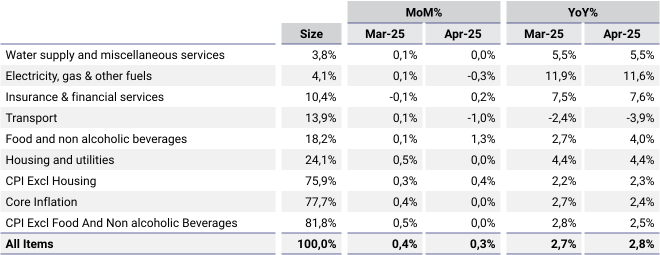

The 2.8% rise in CPI was primarily driven by:
- Housing and Utilities: Up 4.4%, contributing 1.0 percentage point.
- Food and Non-Alcoholic Beverages: Up 4.0%, adding 0.7 percentage point.
- Alcoholic Beverages and Tobacco: Up 4.7%, contributing 0.2 percentage point.
- Restaurants and Accommodation Services: Up 3.0%, adding another 0.2 percentage point.
Year-over-year, inflation for goods declined to 1.7%, down from 2.0% in March. Similarly, services inflation was slightly up from 3.5% in March to 3.8% in April. Despite the slower pace of price increases, inflation continues to erode household purchasing power across South Africa. Many households remain reliant on short-term credit, which increases their vulnerability to interest rate fluctuations.
On a positive note, the Monetary Policy Committee (MPC) appears to be considering another interest rate cut in the near future. This outlook is supported by relatively low inflation levels, a significantly improved Rand/Dollar exchange rate, and lower international oil prices over the past few months. Such an interest rate reduction could boost demand within the economy by increasing household disposable income after interest payments and potentially support economic growth overall.
However, the Reserve Bank remains cautious. Concerns about inflation and the potential impact of the US-China tariff war on price stability persist, despite current favourable exchange rates and lower oil prices. Factors such as moderate inflation, slow economic growth, improved electricity supply, and positive market sentiment will influence future interest rate decisions. Ultimately, price stability remains a primary focus, guiding the Bank’s policy approach as 2025 progresses.


