

Consumer Inflation
November 2025
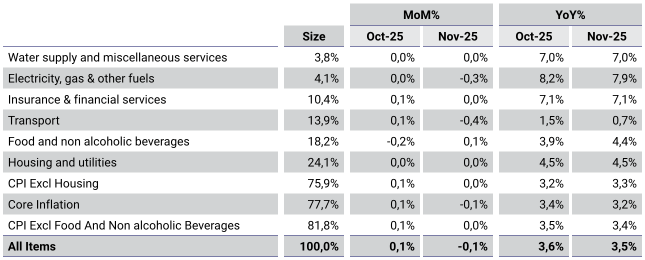
This rise was mainly influenced by:
- Housing and Utilities: Up by 4.5%, contributing 1.1 percentage points.
- Food and Non-Alcoholic Beverages: Increased by 4.4%, contributing 0.8 percentage points.
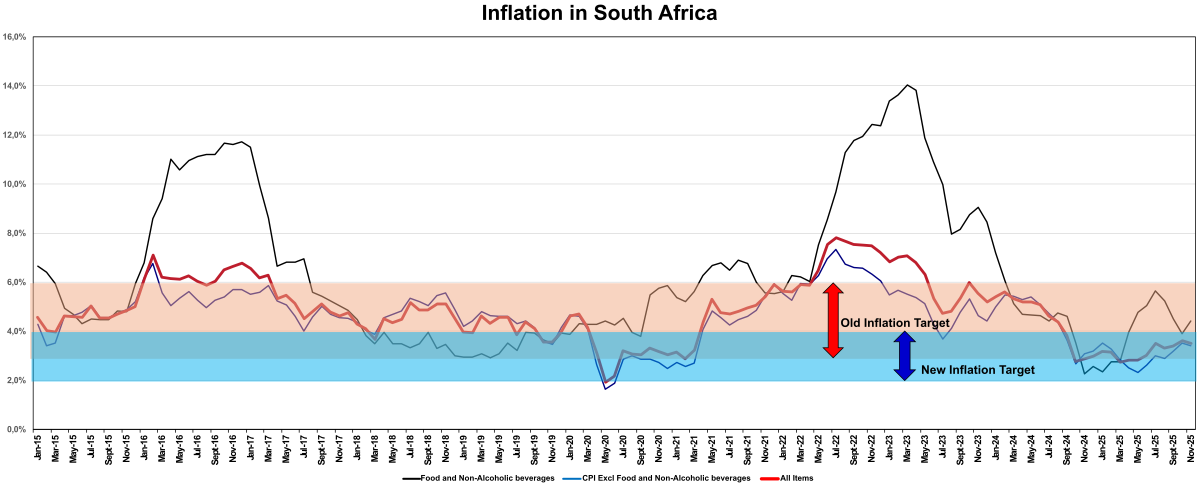
Year-on-year, inflation for goods decreased slightly from 3.1% in October to 2.9% in November, while services inflation rose from 4.0% to 4.1%. Notably, the rate of price increases for services now exceeds the Reserve Bank’s upper limit of 4.0% within the new inflation target range. This persistent increase continues to diminish household purchasing power in South Africa. Consequently, many families are increasingly turning to short-term credit to sustain their consumption, making them more vulnerable to fluctuations in interest rates and currency values, which can impact domestic prices.
During its November meeting, the Reserve Bank’s Monetary Policy Committee (MPC) opted to reduce interest rates by 25 basis points, bringing the prime overdraft rate to 10.25% in South Africa. The next MPC meeting is scheduled for the end of January 2026, at which point the latest inflation data and forecasts for 2026 will be reviewed. The Reserve Bank is expected to remain vigilant regarding inflation, especially after revising the inflation target range downwards from 3-6% to a target of 3%, allowing for a deviation of one percent in either direction. This cautious approach aims to uphold price stability amid persistent economic uncertainties, including the 30% trade tariffs imposed by the US on South African exports. Such uncertainties may also influence the Rand’s exchange rate against the US dollar in the coming months, despite recent tariff concessions granted to certain sectors within the agricultural industry.
The South African Reserve Bank (SARB) is likely to continue its “wait-and-see” strategy to bolster the Rand and maintain domestic price stability in the short to medium term, particularly in light of the newly announced, lowered inflation target discussed during the mid-term budget speech.
The interest rate cuts implemented in late 2024 and 2025, along with the reduction in November, are expected to further stimulate demand by increasing households’ disposable income after interest payments, thereby supporting economic growth. This outlook aligns with StatsSA’s latest economic growth figure of 0.5% for the third quarter of 2025.
Despite this positive growth outlook, which slightly exceeds market expectations, the Reserve Bank remains cautious due to ongoing global uncertainties. Factors such as inflation, the US-China tariff dispute, and potential further tariffs on BRICS nations could affect price stability. Future interest rate decisions will likely consider moderate inflation within the new target band, sluggish economic growth, improvements in electricity supply, and positive market sentiment.
In summary, maintaining price stability and protecting the Rand’s value remain key priorities as South Africa navigates the second half of 2025 and early stages of 2026.


