

Mining Production and Sales
July-2025
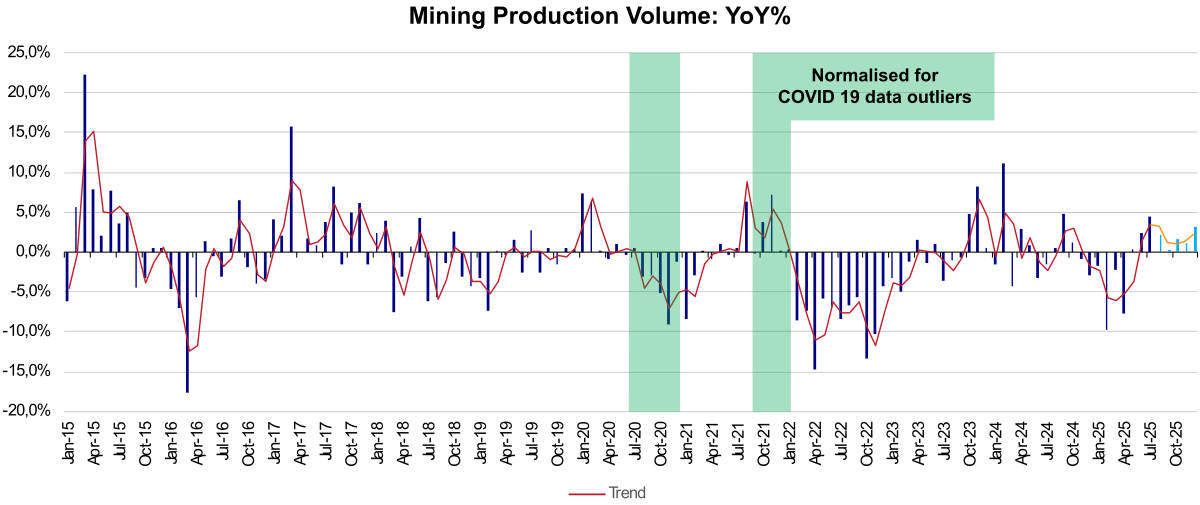
This growth was mainly driven by:
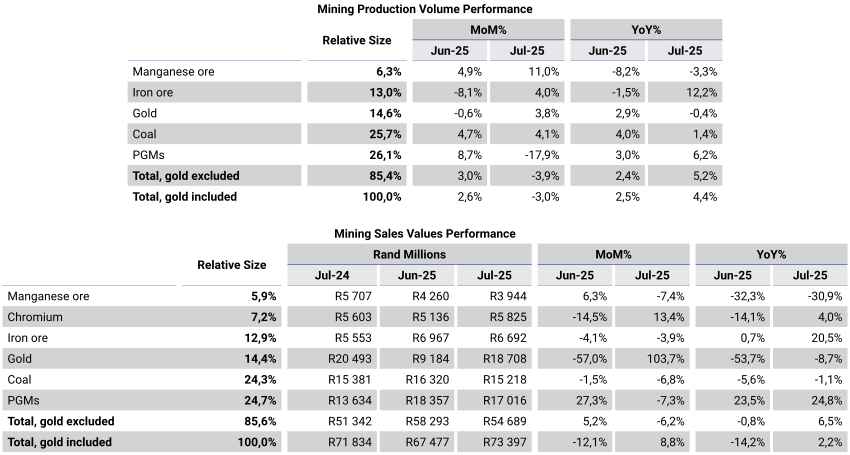
- A 6.2% increase in platinum production, which contributed 1.7 percentage points to the overall growth for the month
- A 12.2% rise in iron ore, adding another 1.7 percentage points
- Growth in other metallic minerals of 45.8%, contributing a further 0.8 percentage points
For the rolling quarter ending July 2025, seasonally adjusted mining production rose by 5.8% compared with the previous three months. The quarterly growth was primarily driven by:
- Platinum mining, which expanded by 16.8%, contributing 4.6 percentage points
- Gold production, which increased by 3.7%, adding another 0.5 percentage points
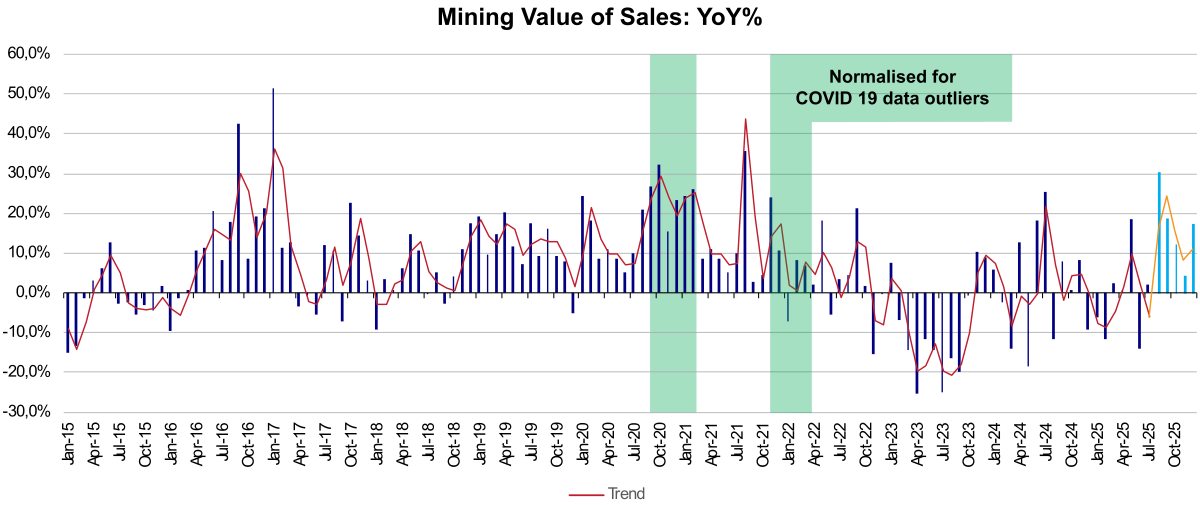
Nominal mining sales increased by 2.2% in July. This upward trend was supported by several subsectors, including:
- Platinum sales, which surged by 24.8%, contributing 4.7 percentage points to total mining sales growth
- Iron ore, which grew by 20.5%, adding 1.6 percentage points
The main negative influences on mining sales were:
- Gold, which contracted by 8.7%, subtracting 2.5 percentage points from the overall increase
- Manganese ore, which fell by 30.9%, also subtracting 2.5 percentage points
The mining sector remains vital to South Africa’s economy, providing foreign exchange earnings and employment for approximately 434,000 people, according to StatsSA labour statistics for the second quarter of 2025. The sector grew by 3.7% from the first to the second quarter of 2025, based on recent GDP sector data. This quarterly growth is encouraging, given its continued importance for employment and foreign exchange in the country.
Employment within the sector has marginally increased compared to the previous quarter, underscoring its ongoing significance. However, notable challenges persist, including concerns around exports to the US following new tariff measures introduced on 7 August, the potential loss of AGOA benefits in September, and issues related to the new Mining Charter.
On the global stage, geopolitical tensions between the US and China—characterised by trade conflicts and tariff disputes—continue to disrupt international markets and restrict trade flows. As a positive development, certain mining materials used in steelmaking have been temporarily exempted from high tariffs in the US, providing some relief for this vital sector of the South African economy, especially in terms of employment, foreign exchange earnings, and overall economic growth.


